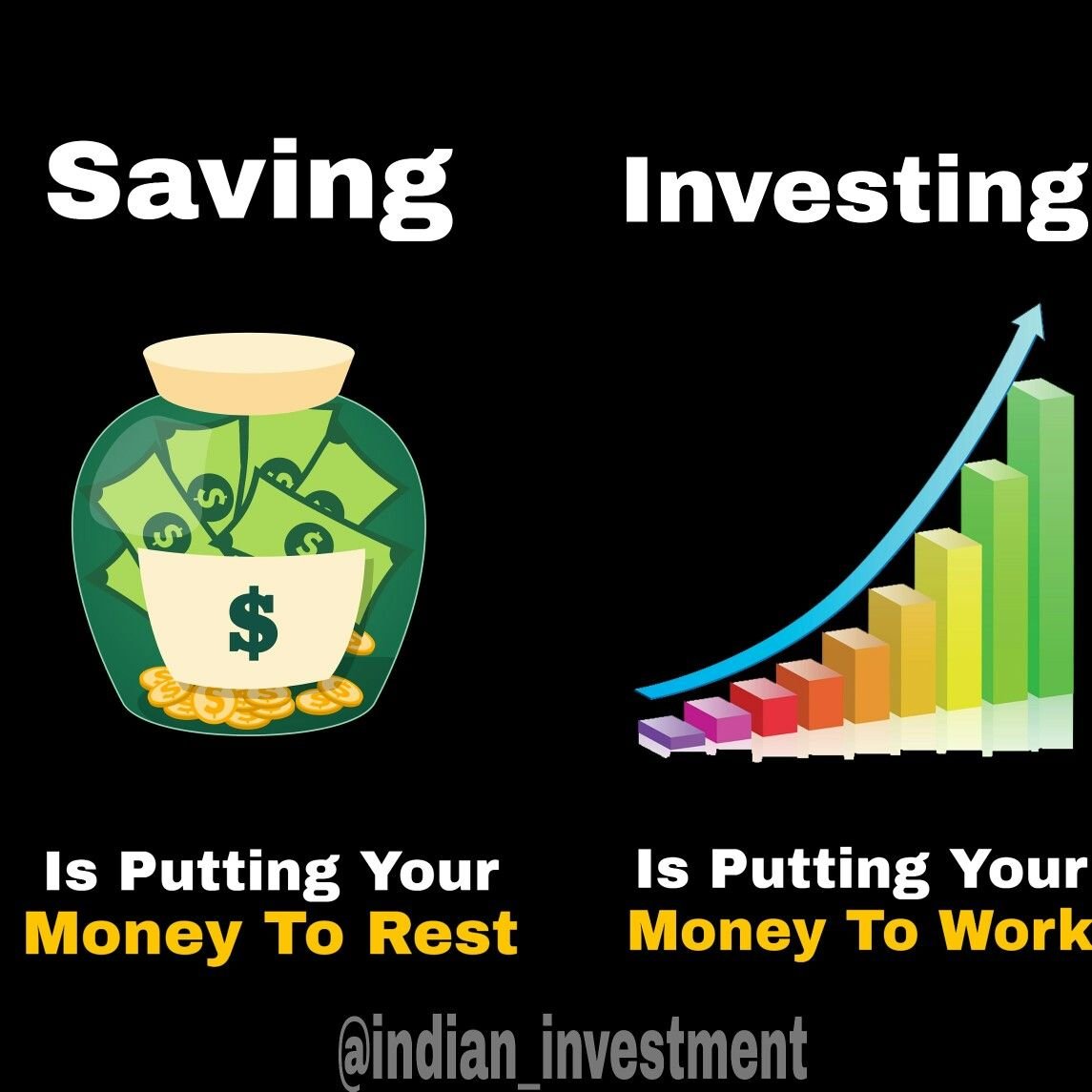
Imagine a life where your money actively works for you, where financial worries are replaced by confident choices, and your biggest dreams aren't just fantasies but well-funded realities. This isn't a pipe dream; it's the tangible outcome of well-crafted Investment & Savings Strategies. Building a robust financial future isn't about luck; it's about intentionality, discipline, and understanding the levers you can pull to make your money grow and serve your aspirations. This guide will walk you through building that crucial roadmap, from setting crystal-clear goals to making your money work hard, ensuring you not only understand the principles but also feel empowered to act.
At a Glance: Your Roadmap to Financial Empowerment
- Define Your Destination: Start by categorizing your financial goals (short, medium, long-term) and prioritizing them.
- Master Your Money Flow: Implement a budget to track, categorize, and control your income and expenses.
- Boost Your Resources: Actively seek ways to reduce unnecessary spending and increase your income streams.
- Automate Your Ascent: Adopt smart saving techniques like "pay yourself first" and automated transfers.
- Build Your Shield: Establish a robust emergency fund to protect against unforeseen financial shocks.
- Tackle Debt Head-On: Strategically manage and eliminate high-interest debt to free up capital.
- Grow Your Wealth: Embrace smart investing principles like diversification, low-cost funds, and consistent contributions to retirement accounts.
- Stay Agile: Regularly review and adapt your strategies to life changes and celebrate your progress along the way.
Why Your Financial Future Demands a Plan Today
In an ever-changing economic landscape, simply earning money isn't enough. Without a deliberate approach to saving and investing, even a decent income can feel like it's slipping through your fingers. The goal isn't just to accumulate wealth; it's to build financial stability, security, and the freedom to pursue the life you envision—whether that's buying your first home, funding a child's education, starting a business, or retiring comfortably. These aren't just abstract ideas; they're concrete objectives that demand concrete strategies.
Defining Your Destination: Setting Clear Financial Goals
Before you can build effective Investment & Savings Strategies, you need to know what you're saving and investing for. Think of your financial journey like planning a trip: you wouldn't just hop in the car and drive aimlessly. You'd pick a destination, map out the route, and prepare for the journey.
Your financial goals can be broken down into three timeframes:
Short-Term Goals (Within 1 Year)
These are immediate objectives that give you quick wins and build momentum. They often focus on improving your current financial health.
- Paying off credit card debt: High-interest debt can erode your progress quickly. Tackling it first is often a smart move.
- Building an initial emergency fund: Aim for at least one month's essential expenses.
- Saving for a vacation or a new gadget: Specific, smaller goals keep you motivated.
Medium-Term Goals (1-5 Years)
These goals require a bit more planning and consistent effort, acting as stepping stones to your larger aspirations.
- Saving for a down payment on a house: A significant sum that needs dedicated saving.
- Starting a small business: Funding initial capital and operational costs.
- Furthering your education or acquiring a new certification: Investing in your earning potential.
Long-Term Goals (Over 5 Years)
These are your big-picture aspirations, often involving substantial sums and benefiting most from the power of compounding investments.
- Funding a child's education: Often requiring years of consistent contributions.
- Paying off a mortgage: Accelerating payments can save you tens of thousands in interest.
- Retiring comfortably: This is arguably the most critical long-term goal, demanding decades of strategic saving and investing.
Prioritizing Your Goals
It's tempting to want everything at once, but successful financial planning involves prioritization. Consider:
- Urgency: Which goals have strict deadlines (e.g., college tuition)?
- Impact: Which goals will have the most significant positive effect on your overall financial well-being (e.g., eliminating high-interest debt before saving for a luxury item)?
- Values: Which goals align most closely with your personal values and life vision?
List your goals, assign them a timeframe, and rank them. This clarity is your compass.
Building Your Financial Blueprint: The Power of Budgeting
A budget isn't a straitjacket; it's a map that shows you exactly where your money goes. This fundamental tool is the backbone of any effective Investment & Savings Strategy, revealing opportunities to save and areas to optimize.
Here’s how to build a budget that actually works for you:
- Track Your Income and Expenses: For at least a month, meticulously record every dollar that comes in and every dollar that goes out. Use a spreadsheet, a notebook, or a budgeting app. The goal is to understand your real spending patterns, not just what you think you spend.
- Categorize Your Spending: Group similar expenses together (e.g., housing, groceries, transportation, entertainment, utilities). This helps you identify where your money is truly flowing and pinpoint potential areas of overspending.
- Establish Spending Limits: Based on your income and financial goals, set realistic limits for each category. This isn't about deprivation; it's about intentional allocation. For instance, if your goal is a down payment, you might decide to reduce your entertainment budget temporarily.
- Regularly Evaluate and Adjust: Life isn't static, and neither should your budget be. Review it monthly or quarterly. Did you stick to your limits? Were your limits realistic? Are your financial goals still the same? Make adjustments as needed to ensure your budget remains a dynamic, effective tool.
Budgeting Tools and Apps: Don't feel obligated to do it all manually. Apps like Mint, YNAB (You Need A Budget), Personal Capital, or even simple spreadsheet templates can automate tracking and categorization, making the process much smoother.
Freeing Up Funds: Strategies to Reduce Expenses
Once you have a clear picture from your budget, the next step is often to find ways to reduce your outflow. Even small cuts can add up significantly over time.
- Identify and Eliminate Unnecessary Spending: This is often the easiest win. Are there subscriptions you don't use? Daily lattes that could become weekly? Impulse purchases? Be honest with yourself about what truly adds value to your life versus what's just habit.
- Adopt Frugal Living Habits:
- Cook at home more often: Restaurant meals and takeout add up quickly. Meal planning can make this easier.
- Reduce energy consumption: Turn off lights, unplug unused electronics, adjust your thermostat.
- DIY where possible: Learn basic repairs or maintenance instead of always hiring someone.
- Lower Utility and Household Costs:
- Negotiate rates: Call your internet, cable, or even insurance providers to see if you can get a better deal or bundle services.
- Energy-efficient appliances: While an upfront cost, they save money long-term.
- Comparison shop for services: Don't stick with the same provider out of habit.
- Reduce Transportation and Travel Expenses:
- Public transport, carpooling, or cycling: Explore alternatives to driving solo.
- Consolidate errands: Plan your trips to save on gas.
- Plan off-peak vacations: Travel during the shoulder season or less popular times for better deals.
- Be a Savvy Shopper:
- Compare prices: Use online tools or apps before making purchases.
- Buy in bulk (wisely): Only for non-perishable items you genuinely use.
- Utilize coupons and loyalty programs: But only for items you would buy anyway.
- Second-hand first: For clothes, furniture, or tools, check thrift stores or online marketplaces.
Boosting Your Bank Account: How to Increase Your Income
While cutting expenses is powerful, there's also a limit to how much you can trim. Increasing your income, on the other hand, has virtually unlimited potential and can dramatically accelerate your financial goals.
- Negotiate Salary Increases: Don't wait for your annual review. Consistently track your accomplishments, research salary benchmarks for your role and experience level, and confidently present your value to your employer.
- Pursue Side Hustles and Freelance Work: Leverage your existing skills or develop new ones. This could be anything from graphic design, writing, tutoring, dog walking, or selling handmade crafts online. It's a fantastic way to generate extra cash that can be directly channeled into savings or investments.
- Invest in Education and Skills Development: The job market rewards specialized skills. Consider certifications, online courses, or even a degree that could qualify you for higher-paying positions. This is an investment in yourself that pays dividends.
- Build Passive Income Streams: This is the holy grail for many. While often requiring upfront effort or capital, passive income can generate money with minimal ongoing involvement. Examples include:
- Rental properties (requires significant capital and management).
- Dividend stocks or interest-bearing accounts.
- Creating digital products (e-books, online courses).
- Affiliate marketing or blogging.
Mastering the Art of Saving: Effective Techniques
With your budget in place and income maximized, it's time to focus on consciously setting money aside. These saving techniques turn good intentions into consistent habits.
- Pay Yourself First: This is perhaps the most fundamental and effective saving strategy. Before you pay any bills or spend on discretionary items, set aside a portion of your income for savings or investments. Treat your savings like a non-negotiable bill.
- Automate Savings: Take "pay yourself first" a step further. Set up recurring, automatic transfers from your checking account to your savings or investment accounts immediately after your paycheck hits. Out of sight, out of mind—and out of reach for impulse spending.
- Envelope System: For those who prefer a tangible approach or struggle with overspending in specific cash categories, the envelope system can be powerful. Allocate a set amount of cash for spending categories (groceries, entertainment, etc.) into separate envelopes. Once an envelope is empty, you're done spending in that category until the next budgeting cycle.
- Saving Challenges and Games: Gamify your saving!
- 52-Week Saving Challenge: Save $1 in week 1, $2 in week 2, up to $52 in week 52 (or reverse it for an easier start). You'll save over $1,300 in a year.
- No-Spend Days/Weeks: Challenge yourself to spend no money for a set period, forcing creativity with existing resources.
- Round-Up Apps: Many banking apps offer features that round up your purchases to the nearest dollar and transfer the difference to savings.
Your Financial Fortress: Building an Emergency Fund
One of the most critical components of any sound Investment & Savings Strategy is a robust emergency fund. This isn't just about accumulating money; it's about building a financial safety net that provides peace of mind and prevents life's inevitable curveballs from derailing your entire financial plan.
An emergency fund is a savings account specifically designated for unforeseen expenses like medical emergencies, sudden job loss, major home repairs, or unexpected car troubles. Without one, these events often lead to taking on high-interest debt, cashing out investments prematurely, or experiencing significant financial stress.
How Much Do You Need?
The widely recommended guideline is to save three to six months' worth of living expenses. This isn't just "income"; it's the bare minimum required to cover your essential bills (housing, utilities, food, transportation, insurance) if your income suddenly stopped.
Consider adjusting this based on your personal circumstances:
- Job Stability: If your job is highly secure, three months might suffice. If you're in a volatile industry or self-employed, six months or even more might be wiser.
- Family Size: More dependents generally mean higher expenses and a greater need for a larger buffer.
- Monthly Expenses: Naturally, higher monthly expenses require a larger fund.
Building and Maintaining Your Emergency Fund
- Prioritize it: Before aggressively paying down low-interest debt or investing for long-term goals, build your emergency fund. It's foundational.
- Automate contributions: Treat it like any other savings goal and set up regular, automatic transfers.
- Keep it accessible but separate: Store it in a high-yield savings account that's easy to access but separate from your everyday checking account to avoid accidental spending.
- Periodically review: As your life changes (new job, marriage, children), re-evaluate if your fund still provides adequate coverage. It helps you define what truly provides security and peace of mind, understanding the worth it meaning in the context of your financial life.
Conquering Debt: A Path to Financial Freedom
High-interest debt is like a financial anchor, dragging down your ability to save and invest. A key part of building effective Investment & Savings Strategies involves strategically managing and eliminating this burden.
- Assess Your Current Debt: List all your outstanding debts: credit cards, personal loans, student loans, car loans. Note the balance, interest rate, and minimum monthly payment for each. This comprehensive view is essential for strategizing.
- Focus on High-Interest Debt First: This is often referred to as the "debt avalanche" method. By paying off the debt with the highest interest rate first, you save the most money on interest over time. Make minimum payments on all other debts, and throw all extra available funds at the highest-interest one.
- Consolidate and Refinance Debt:
- Debt consolidation loans: Combine multiple debts into a single new loan, often with a lower interest rate and a single monthly payment.
- Balance transfer credit cards: If you have good credit, you might qualify for a 0% APR balance transfer card, giving you a grace period to pay down debt without accruing interest (be mindful of transfer fees and the promotional period).
- Refinance: For student loans or mortgages, refinancing can secure a lower interest rate, reducing your monthly payments or the total interest paid over the loan's life.
- Avoid Future Debt: This requires discipline. Stick to your budget, avoid unnecessary impulse purchases, and build a habit of saving for large purchases instead of financing them. If you absolutely must take on debt (like a mortgage), ensure it's "good debt" that helps build assets and comes with manageable interest rates.
Making Your Money Work Harder: Smart Investing Principles
Once you have an emergency fund and a handle on high-interest debt, it's time to shift focus from merely saving to actively investing. Investing allows your money to grow through the power of compounding, significantly accelerating your journey toward long-term goals.
- Assess Your Risk Tolerance and Establish Investment Goals:
- Risk tolerance: How comfortable are you with the potential for your investments to fluctuate in value? Younger investors with a long time horizon can often afford to take on more risk (and potential reward) than those closer to retirement.
- Goals: Are you investing for retirement, a child's college, or a down payment? Each goal might have a different timeline and thus a different suitable investment strategy.
- Diversify Your Investments: Don't put all your eggs in one basket. Diversification means spreading your investments across various asset classes (stocks, bonds, real estate, commodities) and within those classes (different industries, company sizes, geographies). This minimizes risk by ensuring that if one investment performs poorly, it won't tank your entire portfolio.
- Utilize Low-Cost Index Funds and ETFs: For most individual investors, trying to pick individual stocks that "beat the market" is a losing game. Low-cost index funds and Exchange-Traded Funds (ETFs) offer broad market exposure at a minimal cost. They track an entire market index (like the S&P 500), giving you instant diversification across hundreds or thousands of companies with a single investment.
- Employ Dollar-Cost Averaging: Instead of trying to time the market (which is notoriously difficult, even for experts), invest a fixed amount of money at regular intervals (e.g., $100 every month). This strategy is called dollar-cost averaging. When prices are high, your fixed amount buys fewer shares; when prices are low, it buys more. Over time, this averages out your purchase price and reduces the impact of market volatility.
- Contribute to Retirement Savings Plans: These accounts offer significant tax advantages and are crucial for long-term wealth building:
- 401(k)s (and 403(b)s): Employer-sponsored plans, often with employer matching contributions (free money!). Contributions are pre-tax, lowering your taxable income now, and grow tax-deferred until retirement.
- Traditional IRAs: Individual Retirement Accounts where contributions may be tax-deductible, and growth is tax-deferred.
- Roth IRAs: Contributions are made with after-tax money, but qualified withdrawals in retirement are completely tax-free. This is often preferred by those who expect to be in a higher tax bracket in retirement.
Start early, contribute consistently, and let the magic of compounding do its work. Even small, regular investments can grow into substantial sums over decades.
Staying the Course: Adapting and Growing Your Strategies
Financial planning isn't a one-time event; it's an ongoing process. Your life will change, the market will fluctuate, and your goals might evolve. Maintaining and adapting your Investment & Savings Strategies is crucial for long-term success.
- Regularly Track Your Progress: Just like with budgeting, regularly check in on your savings and investments. Are you on track to meet your goals? Are your investments performing as expected? Use financial tracking tools or simply a spreadsheet to monitor your net worth and progress.
- Adapt to Life Changes and Financial Setbacks: A new job, marriage, children, a major purchase, or an unexpected layoff—these events demand a re-evaluation of your financial plan. Don't be afraid to adjust your budget, re-prioritize goals, or even temporarily pause certain contributions. Life happens, and your plan needs to be resilient. If major life changes occur or you face significant setbacks, consider seeking professional guidance from a financial advisor.
- Celebrate Milestones and Successes: Financial planning can feel like a long grind. Take time to acknowledge and celebrate your wins—paying off a debt, hitting an emergency fund target, reaching an investment milestone. These small celebrations provide motivation to keep going.
- Continue Your Financial Education: The world of finance is constantly evolving. Stay curious. Read books, listen to podcasts, follow reputable financial news sources. The more you learn, the more confident and informed your decisions will be.
Your Next Steps on the Path to Financial Mastery
Building effective Investment & Savings Strategies isn't about grand gestures; it's about consistent, disciplined action. You now have the blueprint: define your goals, master your budget, optimize your income and expenses, build an emergency fund, conquer debt, and wisely invest for the future.
The most powerful step you can take right now is to start. Don't let perfection be the enemy of progress. Pick one area from this guide—whether it's tracking your expenses for a month or setting up an automated transfer of just $25 to a savings account—and implement it.
Consistency and discipline are your superpowers in this journey. They lead to financial security, significantly reduced stress, and the incredible satisfaction of seeing your long-term goals become a reality. If you ever feel overwhelmed or need personalized advice tailored to your unique situation, remember that working with a qualified financial advisor can provide invaluable guidance and support. Your financial future is waiting; now go build it.